Cats · Litter & Odor
Nature’s Miracle Hooded Litter Box Review: Odor Control for Small Apartments
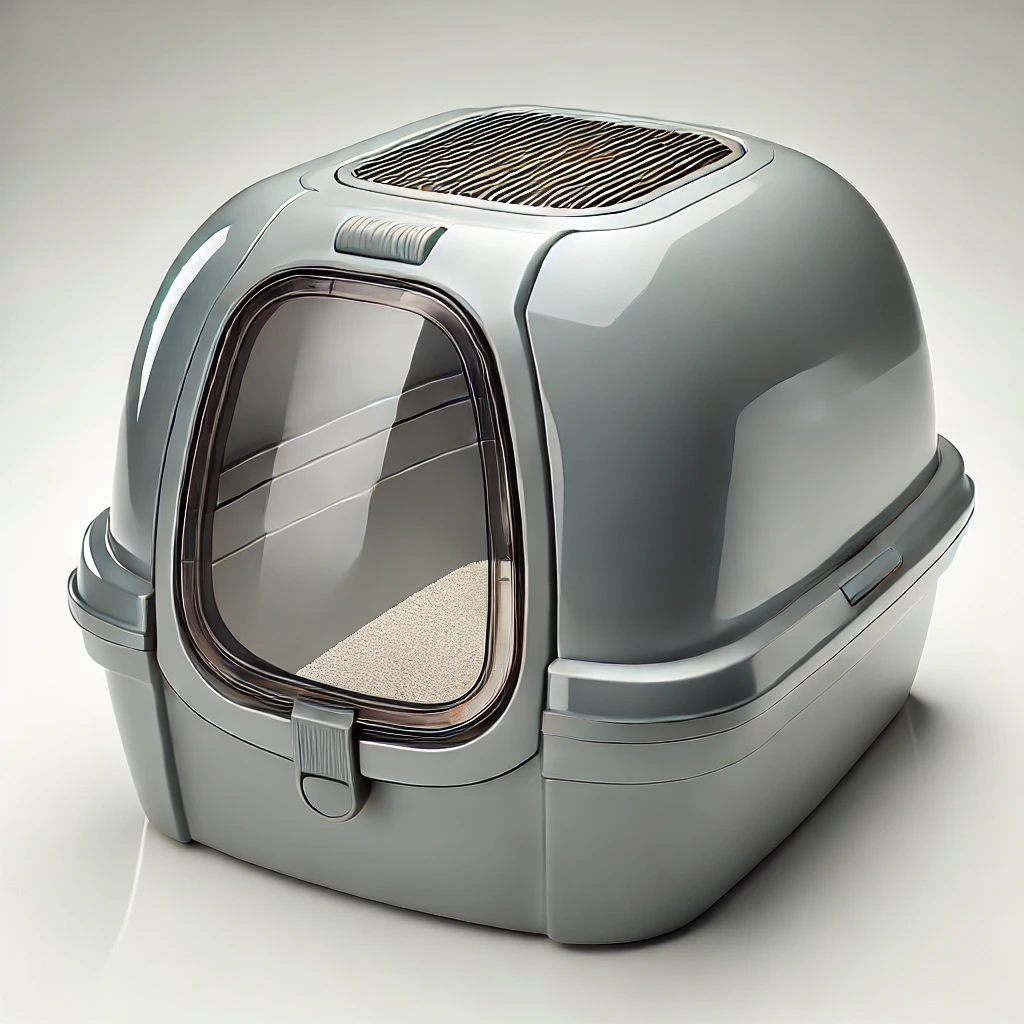
My 600-square-foot apartment forces the litter box to live in the hallway. After four weeks of scooping in that tight footprint, the **Nature’s Miracle Hooded Flip Top** proved it can cage odor, limit scatter, and keep maintenance under ten minutes a day—without resorting to noisy fans or jumbo furniture.
- Built-in charcoal filter and hood slow ammonia creep between scoops.
- Flip-top door + plastic latches mean you can scoop without disassembling the world.
- Lightweight shell (≈3.5 lb) still gives 25" × 19" floor space so mid-size cats can turn.
Affiliate link. Specs and policies change—confirm details on the Amazon listing and Program Policies before purchasing.
TL;DR verdict
- Best for: one or two medium cats in small apartments or condos that need a privacy hood and real odor control without electronics.
- Why it works: tall shell + replaceable charcoal pads + flip-top scoop door make daily chores painless and keep smells polite.
- Trade-offs: plastic latches require a firm snap, charcoal pads are consumables, and mega-breeds (Maine Coons 18 lb+) may prefer a jumbo footprint.
Key specs at a glance
| Dimensions | 25.13" L × 19.13" W × 11.75" H interior (approx. 25.25 × 19.25 × 12" packaged) |
|---|---|
| Weight | ≈3.5 lb empty; easy to carry to the tub on cleaning day |
| Material | Plastic shell with non-stick interior coating |
| Filter system | Built-in charcoal pad (swap every 4 weeks for single-cat homes; 2–3 weeks for multi-cat) |
| Entry style | Front entry with optional flap + flip-top scoop door |
| Handles & latches | Two side latches secure hood; molded handles for transport |
| Special callouts | Compatible with clumping clay or plant-based clumping litters; not automated; no built-in trays |
How we tested
Home setup
600 sq ft apartment, litter nook 34" wide. Box sat on a 24" mat next to HVAC closet to simulate tight city living.
Cat panel
Two mixed-breed indoor cats (11 lb tabby, 13 lb tuxedo). Both accustomed to hooded boxes; flap removed for the timid one.
Litter & cadence
Unscented clumping clay + corn-based clumping mix; scooped twice daily, charcoal pad swapped every 28 days.
Measurements
Tracked odor (subjective “sniff test” at 2 ft), scatter radius, scoop time, and deep-clean minutes over four weeks.
Performance breakdown
Odor control
The hood seals over the base with two plastic latches; once the charcoal pad clicks into the slot, ammonia stays inside long enough to scoop on a normal schedule. I noticed the smell creeping back only after day 27—right when the new pad went in. Because the hood is fully enclosed, scooping right after a cat exits is the only time odor escapes, and even that is minimal.
Tip: keep a small stash of charcoal pads (three-pack) so replacements aren’t skipped. If you use high-protein diets or multiple cats, shorten the swap cycle to 2–3 weeks.
Scatter and splash control
The 11.75" interior height walls combined with the hood stop most power-digging sandblasts. The only litter that left the box came from paws, not airborne clumps. A 20" runner mat outside the door caught 90% of paw-tracked granules, and the rest was a quick sweep.
Daily maintenance
The flip-top front panel is the MVP: press two tabs, hinge the front upward, and you can scoop without removing the entire hood. Smooth plastic means clumps slide off rather than fuse to the corners. Daily scoop time averaged 90 seconds (two scoops per day) versus three minutes for my previous all-hood design.
Deep cleaning
Because the base weighs only 3.5 lb, hauling it to the tub every two to three weeks is manageable. The non-stick interior cleaned up with enzyme spray followed by mild soap. Just remember to remove the charcoal pad before washing; moisture shortens its life.
Cat comfort
Both cats could enter, spin, and exit without crouching excessively. The optional flap was removed for the timid cat, and because the hood extends forward, privacy was still high. If your cat is over 16 lb or likes to stand upright while covering, consider a jumbo footprint, but for most domestic shorthairs this size hits the sweet spot between privacy and apartment-friendly volume.
Setup & maintenance blueprint
- Assemble in the final spot: snap the hood to the base so latches face outward; it is easier to align when the box is empty.
- Install the charcoal pad: slide the pad into the hood slot before adding litter; press until you feel resistance.
- Set litter depth: 3"–3.5" of clumping litter keeps urine from welding to the base while giving cats enough digging room.
- Flip-top etiquette: after each scoop, lower the panel until both latches click; this prevents odors from leaking through micro gaps.
- Filter cadence: mark a calendar or use a reminder app for 28-day swaps (shorter for multi-cat homes).
- Deep clean routine: every 2–3 weeks, empty litter into a trash bag, wipe with enzyme spray, rinse with mild soap, dry, then reinstall filter.
Who should (and shouldn’t) buy it
Buy it if…
- You live in a small space and need odor control without running fans or plugging in gadgets.
- Your cat is under ~16 lb and comfortable with hooded boxes.
- You scoop daily and don’t mind swapping charcoal pads monthly.
- You want a lightweight base that’s easy to carry to the tub on cleaning day.
Skip or rethink if…
- You own jumbo breeds that stretch beyond 18" nose-to-tail when turning.
- You prefer top-entry boxes for extra scatter control (this is front-entry only).
- You habitually skip filter swaps—odor control depends on that charcoal pad.
- You need automatic scooping; this is a traditional manual box.
Pros & watch-outs
👍 What stands out
- Charcoal filter + hood combo noticeably dampens odors between scoops.
- Flip-top door keeps daily maintenance short—no need to lift the entire hood.
- Lightweight base with molded handles simplifies deep cleaning days.
- Affordable versus powered or self-cleaning options, yet still privacy friendly.
🤔 Keep in mind
- Latches are plastic; press firmly until you hear the click or the hood may shift.
- Charcoal pads are consumables—stock extras to avoid skipping swaps.
- Front-entry design still benefits from a mat to catch paw-tracked litter.
- Not ideal for cats that refuse hoods; introduce gradually or remove the flap.
Alternatives
- High-sided open pan: If your cat hates hoods, a 10"-tall open pan plus large mat delivers similar scatter control without the enclosed feel. You lose the charcoal filter but gain visibility.
- Self-cleaning unit: For anyone who travels frequently or can’t scoop twice daily, a self-cleaning litter robot handles odor via sealed waste drawer—but it’s far pricier and hogs space.
FAQ
Will my large cat fit?
Most cats up to ~15–16 lb can enter, spin, and exit comfortably. Maine Coons or extra-tall cats may prefer jumbo 26"+ boxes.
How often should I replace the filter?
Every 30 days for single-cat homes; every 2–3 weeks for multi-cat or high-protein diets. Always remove it before washing the hood.
Does the door flap have to stay on?
No. The flap is removable. Nervous cats often adjust faster with the flap removed while keeping the hood for privacy.
What litter works best?
Clumping clay or plant-based clumping formulas take advantage of the non-stick interior. Non-clumping litters tend to hold odor longer.
Can I line the base with bags?
You can, but liners can catch claws and shift the hood seal. I prefer bare plastic plus a weekly enzyme wipe.
Is it compatible with litter deodorizer plugs or fans?
Yes, but the charcoal pad already provides passive filtration. Avoid blocking the filter vent if you add accessories.
How do I stop litter from sticking near the door?
Keep litter depth at 3"+, and during weekly wipe-downs, spray the front lip with enzyme cleaner to prevent buildup.
Can I use it without the hood?
If you remove the hood entirely it functions as a high-sided open pan. You’ll lose the filter, but it’s a decent transitional step for hood-averse cats.
Ready to give the litter corner a fresh start?
The Nature’s Miracle Hooded Flip Top delivers odor control, privacy, and quick scoops in spaces where every square foot counts. Keep charcoal pads on rotation, pair with a mat, and it becomes a tidy roommate.